If you're caring for an aging parent or spouse, you already know the exhaustion that doesn't go away with a good night's sleep. You know the guilt that creeps in the moment you think about taking a break. And you probably haven't said out loud, even to yourself, how tired you really are.
Caregiving is one of the most loving things a person can do. It's also one of the most physically and emotionally demanding. And here's something worth hearing clearly: caring for yourself is not selfish, it is essential. A caregiver who is burned out, sick, or exhausted cannot give their loved one the care they deserve. Respite is how you protect both of you.
Caring for yourself is not selfish. It is essential.
Signs of Caregiver Burnout
Burnout rarely arrives all at once. It builds slowly, and because caregivers are so focused on someone else's needs, it's easy to miss the warning signs in yourself. Some of the most common signs include:
- Persistent exhaustion that doesn't improve with rest
- Increasing irritability, resentment, or feelings of hopelessness
- Neglecting your own health or missing your own medical appointments
- Social withdrawal and isolation from friends and activities you used to enjoy
- Disrupted sleep from nighttime caregiving or worry
- Anxiety about what would happen if you couldn't provide care
- Physical symptoms like headaches, chronic pain, or a weakened immune system
- The feeling that no one else could possibly care for your loved one the way you do
If several of these sound familiar, it doesn't mean you've failed. It means you love the person you're caring for enough to look honestly at what you both need.
What Respite Care Actually Is
Respite care is short-term, professional residential care that gives family caregivers a real break, whether that's a few days to attend to your own health, a week to travel, or several weeks to recover from an illness or simply catch your breath. It's not a sign of giving up. It's an act of love, for them and for yourself.
At Angel's Haven Care, respite stays take place in the same small, licensed residential homes where our long-term residents live, never a separate wing or an institutional setting. Your loved one gets:
- A 1:3 caregiver-to-resident ratio, compared to an average of roughly 1:14 at large facilities, so help truly is close by
- The same two to three caregivers each day, not a rotating shift schedule
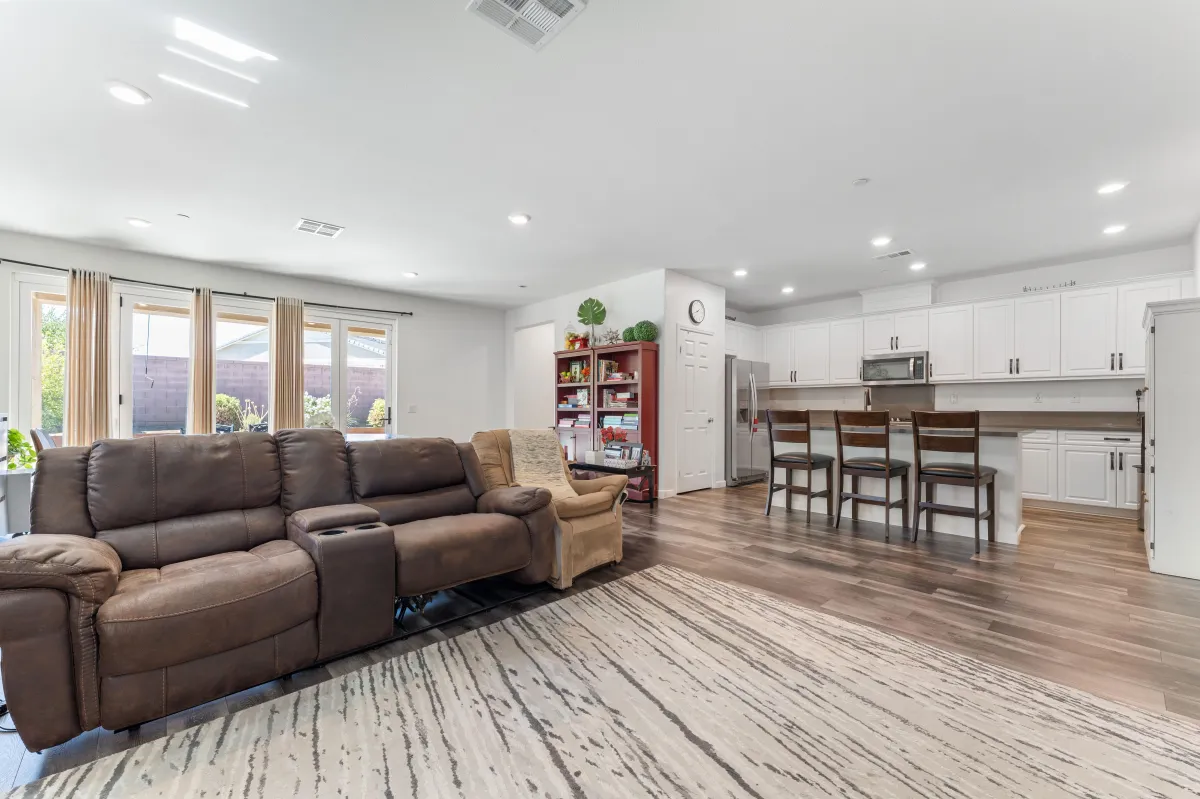
- A real home, a kitchen, a living room, a backyard, and bedrooms, not a lobby or a nursing station
- 24/7 awake caregiver presence, medication management, meals, and personal care included
What Your Loved One Receives During Respite
Because it's the same model and the same homes we use for permanent residents, respite stays also double as a low-pressure way to see whether residential care would be a good fit down the road. In fact, many of our long-term residents began exactly this way, as respite guests.
How Long Does Respite Care Last?
Respite stays are flexible and built around what your family actually needs, from a few days up to several weeks or longer. Some of our locations do ask for a minimum stay, so if you're planning a specific trip or recovery window, it's worth giving us a call to talk through timing and availability at the home nearest you.
Good to know: Pricing for respite follows the same prorated monthly rates as our long-term residency. There are no hidden fees and no surprise upcharges. Since your loved one's final rate depends on their specific care needs, we'll walk through a free care assessment with you first so there are no surprises.
You're Allowed to Ask for Help
If you've been carrying this alone, one phone call is often all it takes to find out what a real break could look like, for both of you.
Ready for a Break You Both Deserve?
Talk with our team about respite care availability at the home nearest you. No pressure, no obligation, just a conversation about what your family needs right now.
Schedule a Free Consultation →