
You've probably seen both terms on the same list of options, sometimes even describing what looks like the exact same building.
Board and care vs assisted living confuses a lot of families early in this search, and the confusion is reasonable. In California, these terms describe more of a spectrum than two separate categories. Angel's Haven Care operates as a board and care home, the smaller end of that spectrum, across six Southern California locations, built around the idea that a resident should be known, not just cared for. You can see all of our locations on our home page.
Here's board and care vs assisted living explained plainly: what actually separates the two, what stays the same, and how to figure out which fits your family.
Defining Each Term
In California, both board and care homes and assisted living communities are licensed under the same category: a Residential Care Facility for the Elderly, or RCFE. There's no separate license for "assisted living." It's an industry term, not a legal one.
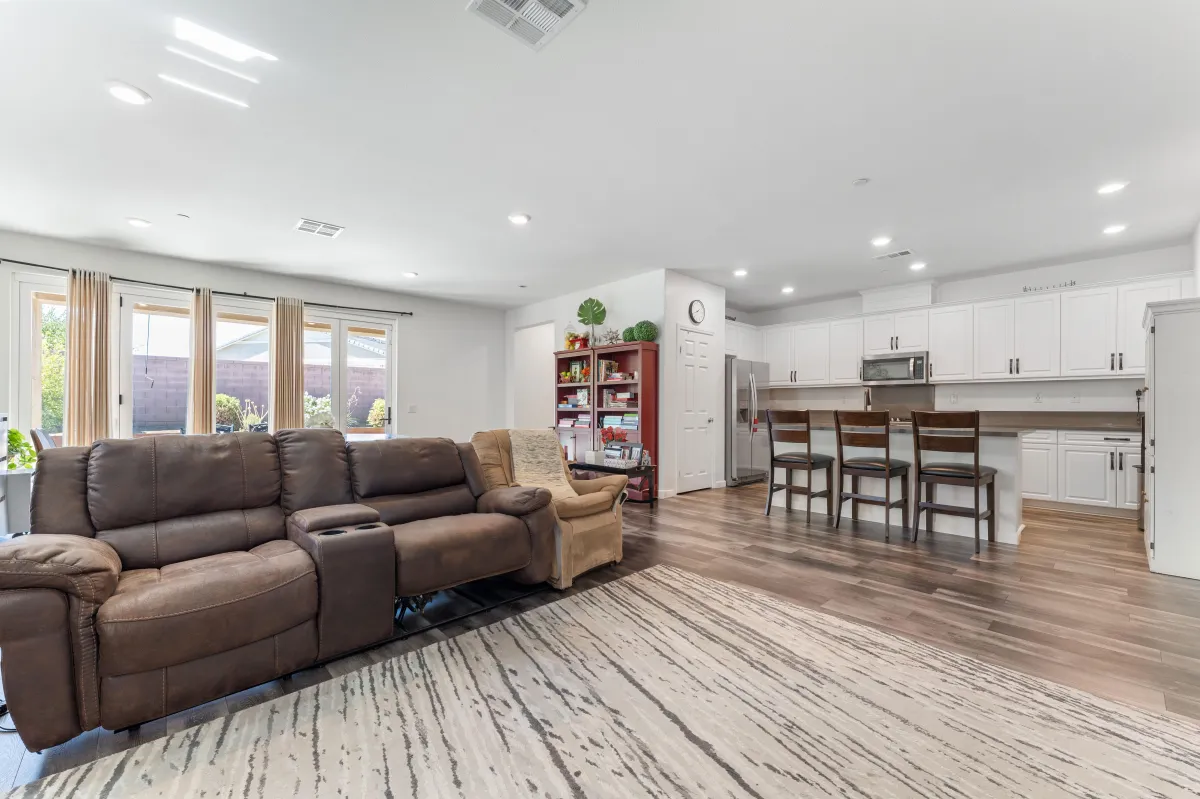
Board and care generally refers to smaller homes, often licensed for six residents or fewer, set inside an actual residential neighborhood. Assisted living usually describes larger, purpose-built communities, sometimes housing dozens or hundreds of residents in an apartment-style building. Neither term is legally required or protected, which is part of why the language gets confusing. A facility can call itself either one, and both are regulated the same way by the state.
Why This Gets Overlooked
Because both fall under the same license, families sometimes assume board and care must be a lesser or more limited option compared to assisted living. In practice, the state holds both to the same staffing, safety, and care standards. Size and setting are the real differences, not the level of oversight.
Typical Home Size and Staffing
Board and care homes like ours are licensed for up to six residents, with a caregiver-to-resident ratio of 1 to 3. Large assisted living communities report an industry average closer to 1 to 14, simply because of the numbers involved.
One reviewer, a nurse who visited before choosing a home for her own family, put it directly: the ratio "is not just a selling point, it is a daily reality."
You can read more about our approach to care on our Why Us page.
Assisted living communities typically serve 16 or more residents, sometimes far more, in private apartment-style units. Staffing is often organized by shift and department, rather than a small team that knows every resident by name. Neither model is inherently better staffed on paper, since both meet the same state minimums, but the day-to-day experience of that staffing looks very different depending on how many residents each caregiver is responsible for at a given time.
Cost Differences
Cost doesn't follow a strict rule, but board and care homes often run less expensive than larger assisted living communities, largely due to lower overhead.
Angel's Haven Care Board and Care Rates
Larger assisted living communities frequently carry higher base rates to cover bigger buildings, more amenities, and larger staffs, and may add separate fees as care needs increase. It's worth asking for a full written breakdown from any community, board and care or assisted living, before comparing numbers side by side.
How to Ask the Right Questions
Whichever option you're touring, the same core questions apply. We've laid out six of them below, the kind of questions that tell you more than any brochure or advertised starting price.
One is worth pushing on: is there any kind of guarantee period if the placement doesn't turn out to be the right fit? Our own homes include a 30-day satisfaction guarantee from move-in, with a direct line to one of our co-founders rather than a call center.
What Changes Over Time
As care needs increase, some assisted living communities require a resident to move to a different wing, floor, or license type to get more support. In many board and care homes, the same caregivers and setting can often accommodate increasing needs without a move, though this depends on the specific home and the level of care involved.
Common Questions Families Ask
What's the single biggest difference in board and care vs assisted living?
The single biggest difference is size, and what that size does to staffing. Board and care vs assisted living really comes down to a small, home-like setting with a higher caregiver ratio versus a larger community with more residents per staff member.
Quick Takeaway
Same license, different scale: board and care means a small home and closer staffing, assisted living means a larger community with more amenities.
Which option typically costs less?
Board and care homes typically cost less than larger assisted living communities, mainly because of lower overhead and simpler, often all-inclusive pricing. That said, exact rates vary by location and by the specific level of care a resident needs, so it's worth comparing actual quotes rather than assuming.
How do I know which is right for my loved one?
It usually comes down to weighing board and care vs assisted living pros and cons against your loved one's personality and needs. Someone who prefers quiet, familiar routines and closer attention may do better in a small board and care home. Someone who wants more social activity, amenities, or independence may prefer a larger assisted living community. Budget and location often factor in too, since the right fit on paper still needs to be realistic for your family. Touring both types before deciding is the most reliable way to know.
What should I do next after reading about board and care vs assisted living?
Reach out to our team through our Contact Us page, or call us directly at (951) 900-4326. We can answer specific questions about what a board and care setting looks like day to day. Our team is available Monday through Sunday, 8:00 AM to 8:00 PM.
Still Not Sure Which One Fits?
Schedule a free care assessment and we'll walk you through your loved one's options, in plain language, with nothing hidden.
Schedule a Free Care Assessment →