
Limited Availability Only 7 rooms left across our 6 homes · Each home takes just 6 residents Only 7 rooms left
🏠 California Senior Care Guide · 2026

Board and Care vs.
Assisted Living in California

Two very different ways to care for an aging parent — the same state license, but very different worlds in practice. This honest guide explains what actually separates these two options so your family can choose with confidence.

📋
Written by the Angel’s Haven Care team
📅
Last updated June 2026
CDSS-licensed California care provider

Get Help Choosing

Tell us about your situation and we’ll help you find the right fit.

🔒 Private & confidential. No spam, ever.
6
Homes in SoCal
6
Residents Max
1:3
Caregiver Ratio
24/7
On-Site Care
CDSS
State Licensed

What Is a Board and Care Home in California?

Before you compare, it helps to understand what each term actually means under California law — because the labels get used loosely.

Board and Care: The Small, Home-Based Option

A board and care home is a private residential house that has been licensed by the California Department of Social Services to provide care for a small number of seniors, typically six or fewer. It looks and feels like a real home because it is one.

Residents live together as a small group, share meals at a kitchen table, and are cared for by a consistent team of caregivers who get to know each person deeply over time. The caregiver-to-resident ratio is usually much higher than in any large facility.

In California, board and care homes are officially called Residential Care Facilities for the Elderly (RCFEs) — the same license category that covers all types of senior care homes.

Important: In California, a board and care home and an assisted living facility are both licensed as RCFEs by the CDSS. The license is the same. The size, staffing model, and day-to-day experience are very different.

Assisted Living: The Larger, Facility-Based Option

A traditional assisted living facility operates more like a small hotel or campus. It might house anywhere from 20 to 300 residents in private apartments or rooms, with a shared dining room, organized activities, and a larger community of peers.

Large communities often have amenities like a fitness center, salon, or movie room. The trade-off is that staffing is spread across many more residents, and caregivers rotate through shifts — so your loved one may not have the same familiar faces day after day.

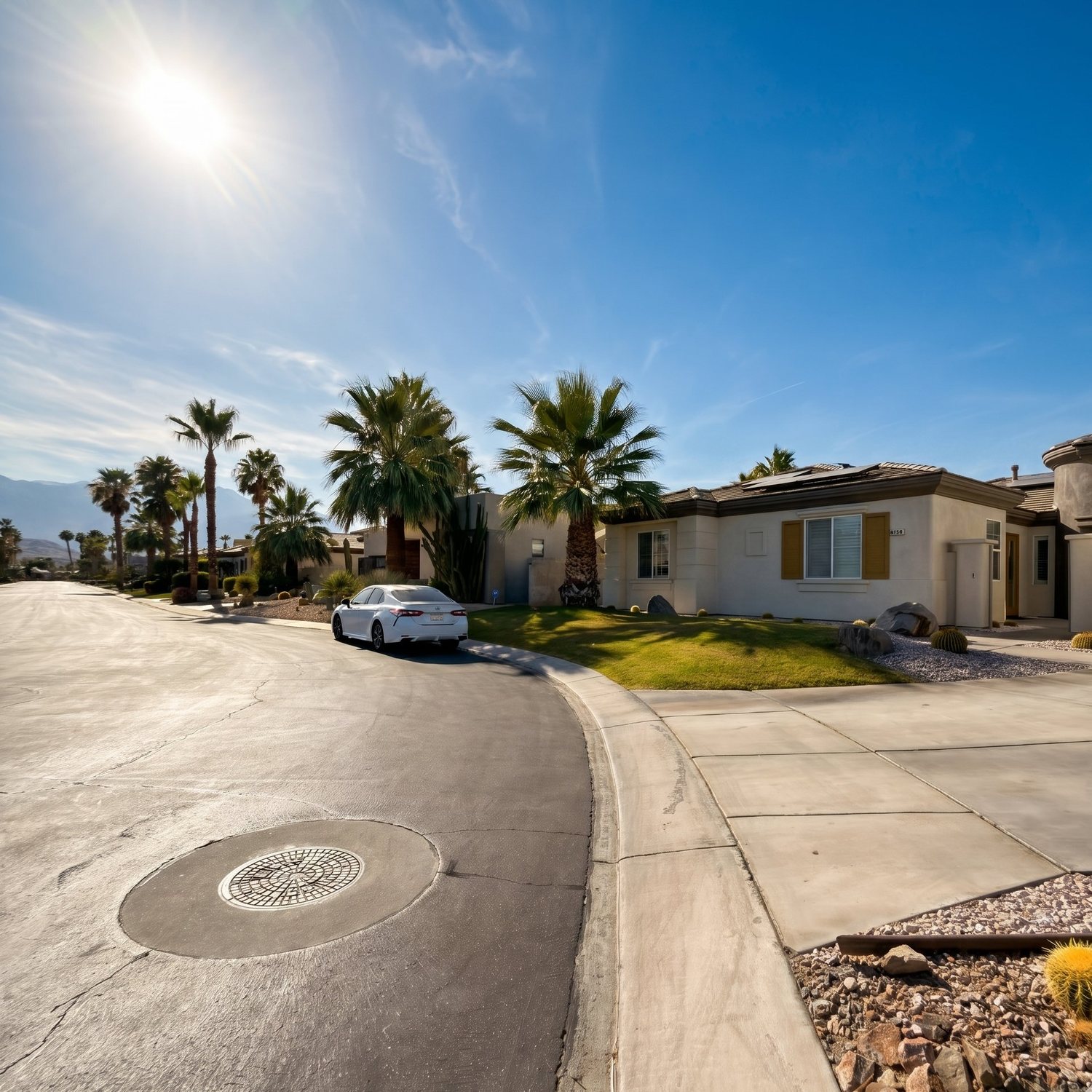
Angel's Haven Care board and care home in California with a warm residential house exterior

A licensed Angel’s Haven Care board and care home — a real house, not an institution.

Quick Reference
Avg. board & care size4 to 6 residents
Avg. facility size20 to 300+ residents
State license (both)RCFE (CDSS)
Care modelHome-based vs campus

Board and Care vs Assisted Living: The Full Comparison

Here is how these two types of senior care actually stack up across the factors families care about most.

🏠 Board & Care Homee.g., Angel’s Haven Care 🏛 Traditional Assisted LivingLarge community
Number of residents4 to 6
Best for attention
20 to 300+
Caregiver-to-resident ratio1:3 or better
Best for hands-on care
1:8 to 1:20+
Caregiver consistencySame caregivers dailyRotating staff & shifts
EnvironmentPrivate home, quiet neighborhoodApartment-style or hotel-like campus
Good for dementia & memory careStrongly suited
Best for dementia
Depends on the community
MealsHome-cooked, at a shared tableRestaurant-style dining room
Social activitiesIntimate, personalizedBroad: classes, events, outings
Pricing modelAll-inclusive flat rate
More transparent
Base rate plus add-ons
Monthly cost in California$3,500–$8,000 all-in$3,500–$9,000+ after add-ons
Best suited forSeniors needing hands-on care, memory care, or a calm settingActive, independent seniors wanting a social community
State licensingRCFE (CDSS)RCFE (CDSS)
30-day satisfaction guaranteeYes, at Angel’s Haven CareRarely offered

What Does Each Option Actually Cost?

Cost comparisons can be misleading when you only look at the base rate. Here is what total cost really looks like for both options in California.

Board and Care Home

All-Inclusive Flat Rate

$3,500 to $8,000 / month
Room and boardIncluded
All meals (3 daily + snacks)Included
Personal care / ADLsIncluded
Medication managementIncluded
Housekeeping & laundryIncluded
24/7 caregiver coverageIncluded
Memory care supportIncluded
Level-of-care surchargesNone

At Angel’s Haven Care, all six homes are priced at a single all-inclusive rate with no add-on fees and no care tiers. Starting at $7,000/month.

Large Assisted Living Facility

Base Rate Plus Add-Ons

$3,500 to $9,000+ / month
Base room rate$3,500–$5,500
Level 1 care (light assist)+$500–$800
Level 2 care (moderate)+$1,000–$1,800
Memory care / secured unit+$1,500–$3,000
Medication management+$300–$600
Incontinence supplies+$200–$400
Community fee (move-in)$2,000–$5,000
Cable / internet / phone+$60–$150

A facility quoting $4,200/month can end up costing $7,500 or more once all the care add-ons are included. Always ask for a total cost breakdown, not just the base rate.

Bottom line on cost: Board and care homes are often more competitive when you compare total costs, not just listed base rates. The bigger advantage is transparency — you know exactly what you’re paying, and that number doesn’t climb every time your loved one needs a little more help.

Which Option Is Right for Your Family?

There is no one-size-fits-all answer. It depends on your loved one’s care needs, personality, and the kind of environment they thrive in. Here is an honest breakdown.

🏠

Board and Care Is Usually Better When…

  • Your loved one has dementia, Alzheimer’s, or another memory condition and needs calm, consistent routines
  • They need significant help with daily activities like bathing, dressing, and transferring
  • They get anxious or overstimulated in busy, noisy environments
  • You want the same caregivers every day rather than rotating shift staff
  • You prefer simple, all-inclusive pricing with no surprise add-on charges
  • Comfort, safety, and personal attention matter more than amenities
  • They are hospice-eligible and you want them to remain in a home setting
🏛

Assisted Living May Be Better When…

  • Your loved one is fairly independent and needs only light help with daily tasks
  • They are social and genuinely enjoy meeting new people in a larger group
  • They want a busy calendar of activities, fitness classes, and organized events
  • They’d feel under-stimulated in a smaller home setting
  • On-site amenities like a salon, pool, or fitness center matter to them
  • They prefer independent apartment-style living with optional care services
  • Your family is comfortable navigating tiered pricing and add-on fees
👨‍⚕️

From Our Medical Director

Dr. Jeremy V. Gomer, MD — Medical Director, Angel’s Haven Care

“In my clinical experience, the most consistent predictor of good outcomes for seniors with dementia or significant care needs is continuity. When a resident sees the same two or three caregivers every day, trust builds, stress lowers, and behaviors stabilize. That is the structural advantage of a well-run board and care home — it is not about the building, it is about the relationship between caregiver and resident.”

Questions to Ask When You Tour

Whether you tour a board and care home or a large assisted living community, these questions matter most. The answers tell you a lot about quality of care.

For Any Senior Care Home Ask Both

  • What is the caregiver-to-resident ratio during the day and overnight?
  • Is there always an awake caregiver in the building at night?
  • How long have most of your caregivers worked here?
  • Can you show the current CDSS license and recent inspection reports?
  • What happens when a resident needs a higher level of care later?
  • How are medical emergencies handled? Is there an on-call physician?
  • What is the move-out policy and refund structure?
  • Can I speak with current families who have a loved one here?

Specific to Board & Care Smaller Homes

  • How many residents live here now, and what is the maximum?
  • Is the owner or administrator on-site regularly?
  • Are meals cooked fresh in the home, or brought in from outside?
  • What does a typical daily routine look like for residents?
  • How do caregivers handle sundowning or wandering?
  • Is there a satisfaction guarantee or trial period?
  • What is included in the monthly rate, and what costs extra?
  • Will the primary caregiver change, and how is continuity kept?

What Our Model Looks Like in Practice

6
Licensed homes across Southern California
1:3
Caregiver-to-resident ratio in daytime hours
5.0
Average rating across all locations
30
Day satisfaction guarantee at every home

Frequently Asked Questions

Both carry the same California state license — Residential Care Facility for the Elderly (RCFE) issued by the CDSS. The legal category is identical. The real differences are size, staffing, and overall experience. A board and care home houses 6 or fewer seniors in a private house with the same small team of caregivers every day. A large assisted living facility houses 20 to 300 or more residents, operates more like a hotel, and typically has rotating staff across shifts. Both can provide excellent care, but they feel completely different in practice.
Often, and the value is almost always higher when you compare total costs. Large facilities advertise a low base rate, then add fees for every level of care, medication management, memory care, and even incontinence supplies. Those add-ons can push the total well above what a board and care home charges all-inclusive. At Angel’s Haven Care you pay one flat rate that covers everything — no tiers, no surprises. Call (951) 900-4326 and we’ll walk you through exactly how our pricing compares to any community you’re considering.
For most people living with dementia, a well-run board and care home is the better environment. The most important thing for someone with dementia is consistency: the same caregivers, the same routine, the same quiet familiar space each day. A small home with 6 residents and 2 or 3 dedicated caregivers naturally provides that. Larger facilities, even those with memory care units, tend to have more turnover and stimulation that can increase confusion. That said, the quality of the specific home matters more than its size. Learn more on our memory care page.
Yes. Board and care homes for seniors are licensed as Residential Care Facilities for the Elderly (RCFEs) by the California Department of Social Services, Community Care Licensing Division — the same category used for large assisted living communities. Both must meet state requirements for staffing, safety, resident rights, and care standards. You can verify any RCFE license, including all five Angel’s Haven Care homes, at the CDSS Community Care Licensing website.
The best way to know is to come see us. We offer free same-day tours at all six California homes. Bring your questions, walk through the space, meet the caregivers. Most families know within about 20 minutes whether it feels right. And if you’re still unsure after touring, every location has a 30-day satisfaction guarantee. Schedule a free tour or call (951) 900-4326.
Most board and care homes include room and board, three daily meals, help with activities of daily living, medication management, housekeeping, laundry, and 24-hour supervision. At Angel’s Haven Care the all-inclusive rate also covers utilities, transportation coordination to medical appointments, daily activities, and a 24/7 awake caregiver every night. There are no level-of-care tiers or add-on fees — everything is bundled into one flat monthly price. See our Rancho Mirage or Temecula pages for location details.

Not Sure Which Option Is Right? Let’s Figure It Out Together.

You don’t have to make this decision alone. Call us for an honest, no-pressure conversation about your loved one’s situation and what actually makes sense for your family. We’d rather help you find the right fit than push you toward something that isn’t.

(951) 900-4326 — Available 7 days a week

Or email: info@angelshavencare.com